At the closing table, who works for you?
Buying through an app in Panama can work if you know who connects you and who represents you; before signing, ask who does each, by name.
Add up everyone who touches a purchase in Panama, from the first viewing to signing the deed, and you can easily get to five or six people. The seller's agent is there for the seller. The building's administration (the PH, short for propiedad horizontal, Panama's condominium regime) is there for the building. And the lawyer who draws up the loan documents usually works for the bank. They can all be doing their jobs well and still none of them works for the buyer.
That's how it should be. The problem is sitting down at that table believing someone there is looking out for you because they were nice to you along the way.
An app can be much the same.
Is it safe to buy property in Panama through an app?
Buying property in Panama through an app or online platform can work if you know what it does and doesn't do. A platform can put you in touch with a seller. Representing you is a different job: checking the paperwork, negotiating for you and stepping up if something goes wrong. Before going further, ask who does each one, by name.
What's the difference between connecting and representing?
Choosing the unit is still your call, however much an app digitizes the paperwork. The question here is who answers for the deal afterward.
Connecting means showing you options, filtering them, putting you in touch with the seller, booking the viewing and sometimes handling part of the paperwork. It's real work. Done well, it saves you weeks, and for searching and comparing, platforms are a big help.
Representing means taking ownership of your case in a specific deal. Reading what you're about to sign before you do, sitting down to negotiate on your behalf, picking up the phone when something goes sideways.
From the outside the two look the same: a logo and a friendly chat window. The difference shows up when the deal gets complicated, and what tends to get complicated is the paperwork, more than the viewing. If you're buying from abroad, that chat window may be the only face you ever see, which makes the question harder to skip.
Three questions, each with a name
- Who answers if something goes wrong? Ask for a person's name, not a support email. And read the terms of service: see whether they say the platform only puts buyers and sellers in touch. It's fair of them to say so.
- Who checks the paperwork? Someone has to confirm at the Registro Público, Panama's public property registry, that the seller is the owner and that the finca (the property as it's recorded in the registry, under its folio number) carries no liens. The search can be done online through the registry's virtual office. If the answer is "your lawyer handles that," fine, but then that part is on you, and you need one.
- Who negotiates for you, and who are they working for in this deal? If the person helping you is also helping the seller or the developer, they can be perfectly honest and still not be on your side of the price. If they tell you so plainly, that's already a good sign.
The answers don't have to be perfect. They have to exist before the promesa de compraventa (the signed purchase agreement that comes before the deed). If no one will put their name to your case, no one is representing you, however friendly the chat.
Do the same questions apply to an agent?
The same questions apply to any agent. In Panama, anyone who brokers sales or rentals as a regular trade needs a license from the Junta Técnica de Bienes Raíces, the national real estate board (Decree-Law 6 of 1999, articles 1 and 2), and checking one takes minutes. That tells you they're allowed to practice. Who they actually work for in your case shows up later, when a price needs defending or there's a problem you should hear about.
In Panama the same property often passes through several agents, and it's easy for no one to answer for the whole case. An orderly way to do it is for your agent to coordinate with whatever colleagues it takes, often as a co-broke (two agents sharing one deal, each with their own client), while you deal with one person from start to finish. Someone has to answer for the case, and you should know who that is before the first offer goes in.
Frequently asked questions
Can I use a platform and still have my own agent?
Yes. Finding the property on an app doesn't stop you from having someone on your side. It's common for a sale in Panama to be done as a co-broke, and your agent can coordinate with whoever has the listing. Just tell them from the start what you've seen, where, and who you've already talked to.
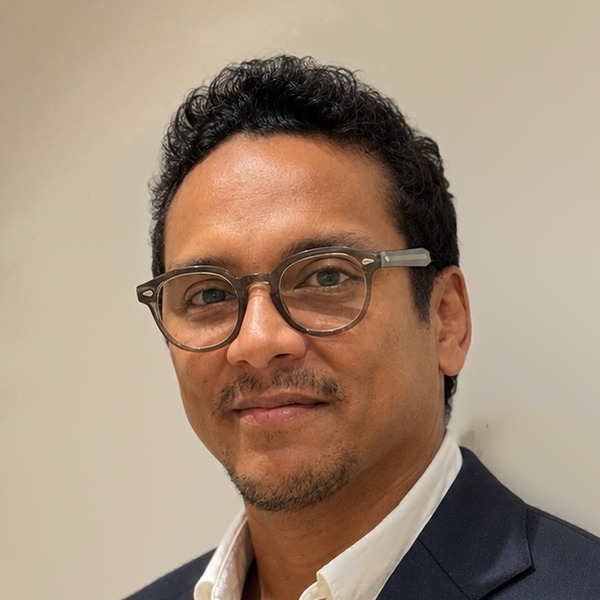
Moving ahead on a purchase through an app? Send me what you have. We'll go through who is checking the paperwork, who is negotiating and who answers for your side before you sign the purchase agreement. Let’s talk.
Perspective is editorial, informational content. It is not legal, tax or investment advice. Every transaction is assessed in its own context.